
All-on-4® Implants in Orem, UT
All-on-4 Implants Explained
All-on-4 replaces all teeth on the upper or lower arch using four strategically placed dental implants. Two are placed near the front and two are angled toward the back to maximize available bone, often avoiding the need for bone grafting.
Unlike removable dentures, All-on-4 restorations are secured to implants. Many patients leave surgery with a temporary set of teeth the same day.
Why Consider All-on-4?
Fixed teeth that do not move during eating or speaking.
Streamlined treatment that can provide a same-day temporary bridge.
Efficient use of bone that may reduce the need for grafting.
Full-arch improvement in chewing, speech, and smile esthetics.
Screw-retained design removable only by the dental team for service.
Predictable maintenance with parts that can be repaired when needed.
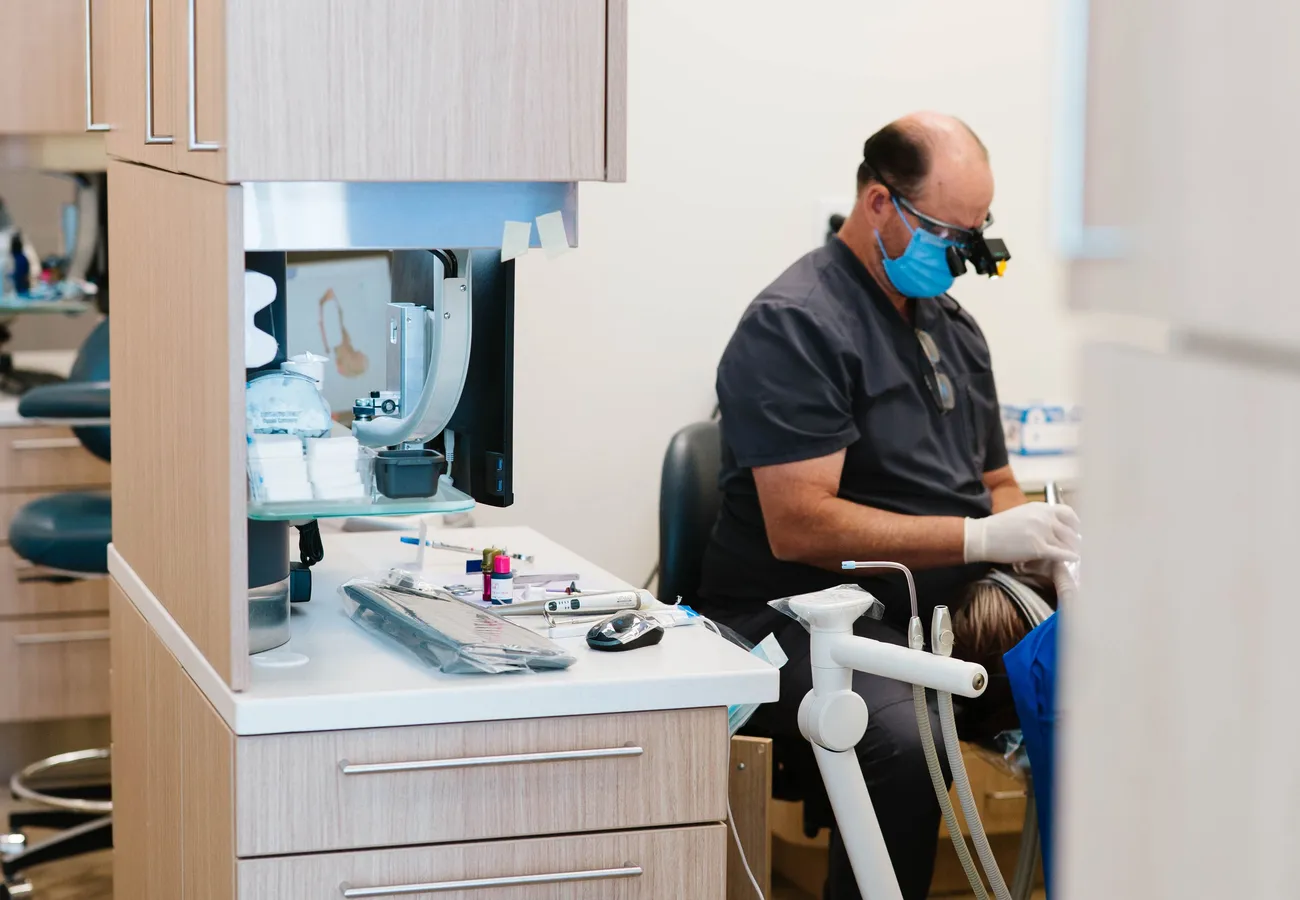
How All-on-4 Works
- Consultation and Diagnostics: Comprehensive exam, 3D imaging, and bite assessment to plan implant positions.
- Treatment Planning: Implant angles are mapped and a provisional bridge is designed.
- Surgery Day: Compromised teeth are removed, four implants placed, and a temporary bridge secured.
- Healing: Over three to six months, implants fuse with bone while you wear the temporary bridge.
- Final Prosthesis: A durable, custom full-arch bridge is fabricated and secured to the healed implants.
Your All-on-4 Experience
Plan for a driver if sedation is used. Mild soreness and swelling are common. Daily hygiene focuses on keeping the bridge and gums clean with a water flosser and electric toothbrush.
For guidance on All-on-4 implants in Orem, UT, contact CrossPointe Dental at 801-224-7337 to schedule a consultation with Dr. Damon P. Swenson.
Frequently Asked Questions About All-on-4 Implants
Many adults with multiple failing teeth or complete tooth loss qualify, including some with moderate bone loss. A 3D scan confirms bone volume and implant positions.
In many cases, a temporary full-arch bridge is attached at surgery. It protects the implants during healing and is replaced by the final bridge after integration.
The angled back implants often reduce the need for grafting. If bone is very thin in key areas, selective grafting or alternative plans may be recommended.
Most patients return to normal routines within a few days, following a soft-chew diet for several weeks. Implant integration typically takes three to six months.
Brush twice daily, use a water flosser, and thread floss under the bridge. Regular checkups allow the team to remove and clean the bridge when indicated.
Implants can last many years with healthy gums and good home care. The bridge may require maintenance over time, such as replacing wear components or acrylic.