
Root Canal Therapy in Orem, UT
Root Canal Therapy Explained
A root canal treats the soft tissue inside a tooth, called the pulp. Deep decay, a crack, or trauma can let bacteria enter this space and cause inflammation or infection. A root canal removes the inflamed tissue, disinfects the canals, and seals them to prevent reinfection.
The goal is simple and important: preserve the natural tooth rather than remove it. Keeping your tooth maintains natural biting force, protects nearby teeth from shifting, and often avoids more complex treatment later.
Benefits of Root Canal Treatment
Stops ongoing toothache by removing inflamed or infected pulp.
Preserves your natural tooth structure and normal chewing function.
Prevents the spread of infection to the jawbone and nearby teeth.
Supports long-term oral health compared with extraction gaps.
Often completes faster overall than replacing a removed tooth.
Allows for natural-looking restoration with a custom crown when needed.
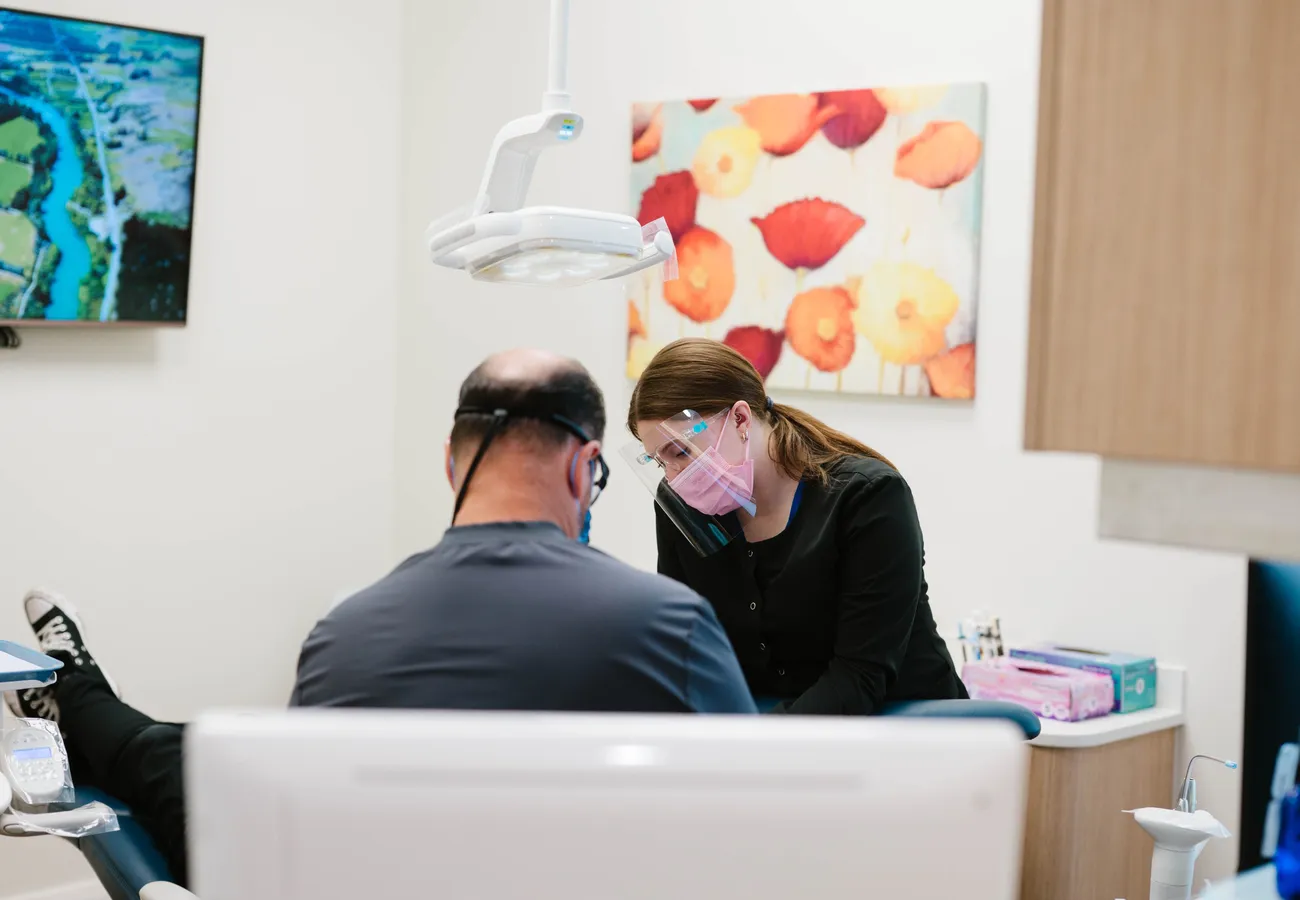
How Root Canal Therapy Works
- Evaluation and Diagnosis: Exam and X-rays identify the source of pain and confirm whether a root canal is appropriate.
- Anesthesia and Comfort: The tooth is fully numbed. Most people feel pressure but not sharp pain.
- Cleaning and Disinfection: Fine instruments remove diseased pulp and disinfecting solutions reduce bacteria.
- Filling and Sealing: Canals are filled with gutta-percha and sealed to block future infection.
- Final Restoration: Many back teeth benefit from a crown to restore strength and prevent cracks.
Your Root Canal Experience
Most appointments last about 60 to 90 minutes. Mild soreness after treatment is common and usually responds to over-the-counter pain relievers. Most patients return to normal activities the same day.
For questions about root canal therapy in Orem, UT, contact CrossPointe Dental at 801-224-7337 to schedule with Dr. Damon P. Swenson.
Frequently Asked Questions About Root Canal Therapy
With modern local anesthesia, the procedure is usually no more uncomfortable than getting a filling. Temporary tenderness afterward is normal and tends to fade within a few days.
Many cases are completed in one visit lasting 60 to 90 minutes. Complex teeth or severe infections may require a second visit to ensure thorough cleaning and sealing.
Back teeth often need a crown to prevent fractures and restore strength. Front teeth may only need a filling, depending on how much structure remains and your bite.
Saving a restorable tooth is usually preferred because it keeps your natural bite and helps maintain jawbone. Extraction may be appropriate when the tooth cannot be predictably restored.
Signs include lingering pain to hot or cold, pain when biting, swelling, discoloration, or a pimple on the gums. X-rays and testing confirm the diagnosis.
With a proper restoration and good home care, a root canal-treated tooth can last many years. Regular checkups and cleanings help protect your result.
Mild soreness is common for a few days. Persistent or increasing pain should be evaluated to rule out a high bite, a cracked tooth, or residual infection.